Wastewater Flow That Doesn't Back Up
Sewer Line Repairs & Replacements in Birmingham for recurring backups, poor drainage, and odor problems
Multiple drains backing up simultaneously, sewage odors near foundation cleanouts, or standing wastewater in basement floor drains indicate problems in the main sewer line rather than individual fixture drains. These symptoms occur when the pipe carrying all wastewater from the building to the municipal sewer or septic system becomes blocked, damaged, or structurally compromised. Senior Plumbing investigates and addresses sewer line problems across Birmingham, Hoover, Vestavia Hills, and surrounding areas, starting with camera inspection to verify conditions inside the pipe before recommending repair or replacement based on what the video reveals.
Sewer line issues can result from root intrusion at pipe joints, collapsed sections caused by soil settling, grease buildup that hardens over time, or deterioration in older clay or cast iron pipes. The inspection process confirms the problem's location and extent, showing whether targeted repairs can restore function or whether replacement is necessary to prevent repeated failures.
Schedule sewer line service when backups affect multiple drains or when wastewater doesn't clear properly during normal use.
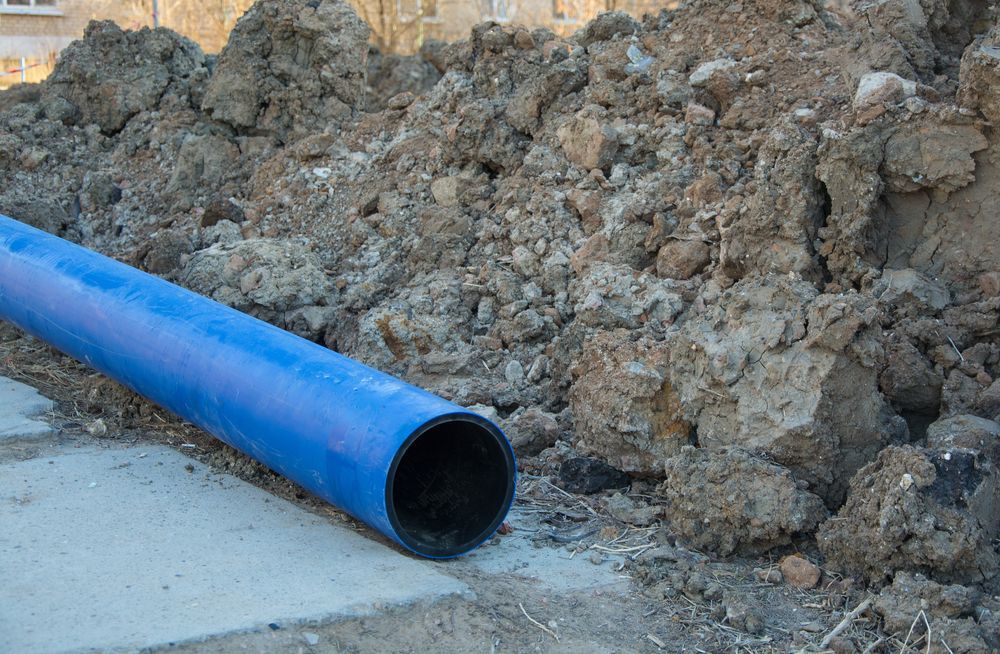
Why Sewer Line Problems Happen and How to Stop Them
Camera inspection maps the sewer line from the building to the connection point, identifying obstructions, cracks, offset joints, or sections where the pipe has bellied and holds standing water. In Birmingham-area properties with mature landscaping, tree roots commonly penetrate clay pipe joints, forming blockages that catch debris and eventually restrict flow completely.
Once the affected section is located and the damage type confirmed, repairs may involve removing the damaged segment and installing new pipe, or full replacement if deterioration extends along the entire line. After work is completed, all drains empty without backup, sewage odors disappear, and wastewater flows reliably without requiring repeated clearing or maintenance. Reliable sewer function means toilets flush completely, washing machines drain without overflow, and you don't experience wastewater surfacing near the foundation during heavy use.
Replacement typically uses PVC or other modern materials that resist root intrusion and corrosion, with joints sealed to prevent future penetration. Repair decisions depend on whether damage is localized to one section or distributed throughout the line, and whether the existing pipe material is likely to fail in other areas soon.
Common Questions About This Service
Sewer line work raises practical questions about how problems are diagnosed, what repair options exist, and when replacement becomes necessary.
What does camera inspection reveal about sewer line condition?
The camera shows interior pipe condition in real time, revealing root masses, collapsed sections, cracks, separations at joints, or grease buildup, and records the depth and distance from the entry point to help locate problem areas for excavation.
How is sewer line replacement performed without disrupting the entire yard?
Trenchless methods can replace pipe by pulling new material through the existing line in some situations, though traditional excavation is used when pipes have collapsed, shifted significantly, or where soil conditions prevent trenchless installation.
When should sewer line problems be addressed instead of continuing to clear backups?
If backups recur within weeks of cleaning, if camera inspection shows structural damage rather than just blockages, or if the pipe material is deteriorating in multiple locations, replacement prevents ongoing failures and repeated service calls.
What factors determine whether repair or replacement is recommended?
The extent of damage, pipe material and age, whether problems are localized or distributed, and the likelihood of future failures in adjacent sections all affect whether targeted repairs provide long-term reliability or replacement is the more practical approach.
How do sewer line problems differ between older and newer Birmingham properties?
Older homes often have clay or cast iron sewer lines vulnerable to root intrusion and corrosion, while newer construction typically uses PVC with sealed joints, though settling soil or improper installation can still cause bellied sections that trap debris and slow drainage.
Senior Plumbing addresses sewer line problems throughout Birmingham using camera investigation to confirm conditions before repair or replacement work begins. Call (205) 720-9143 when recurring backups, poor drainage, or odor concerns suggest main line problems.